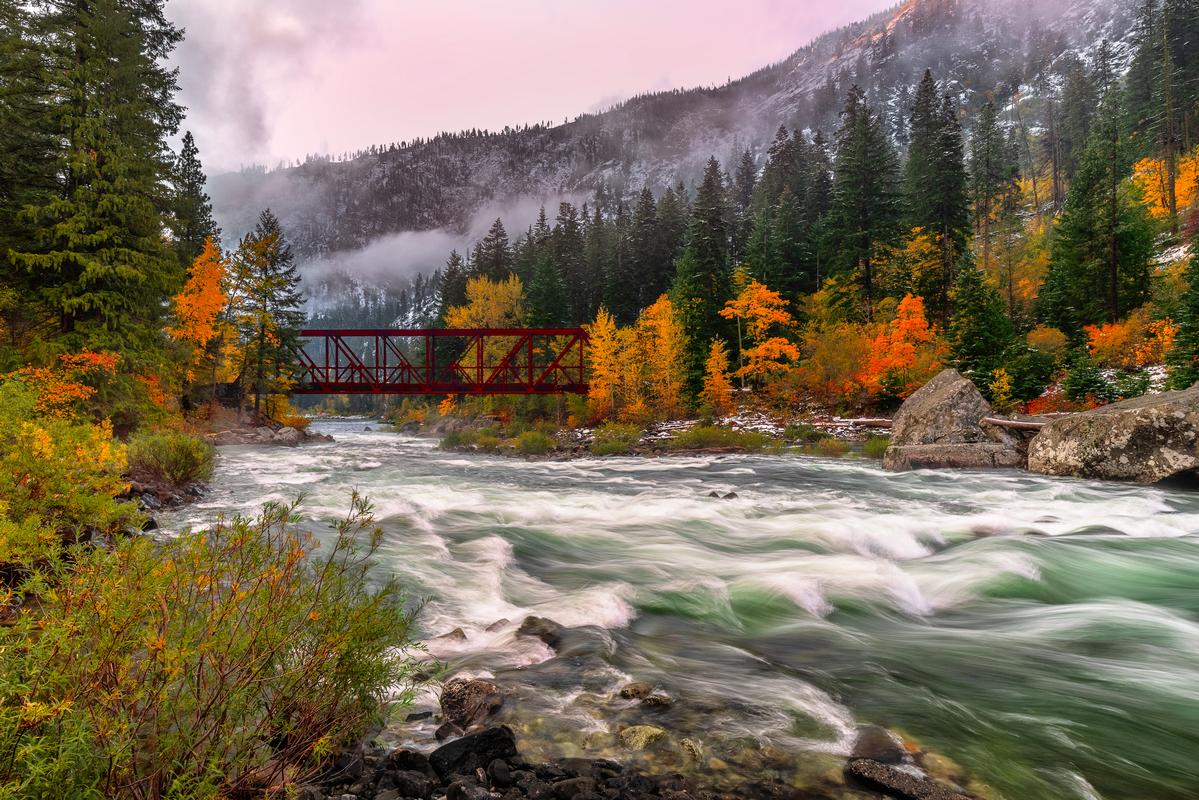
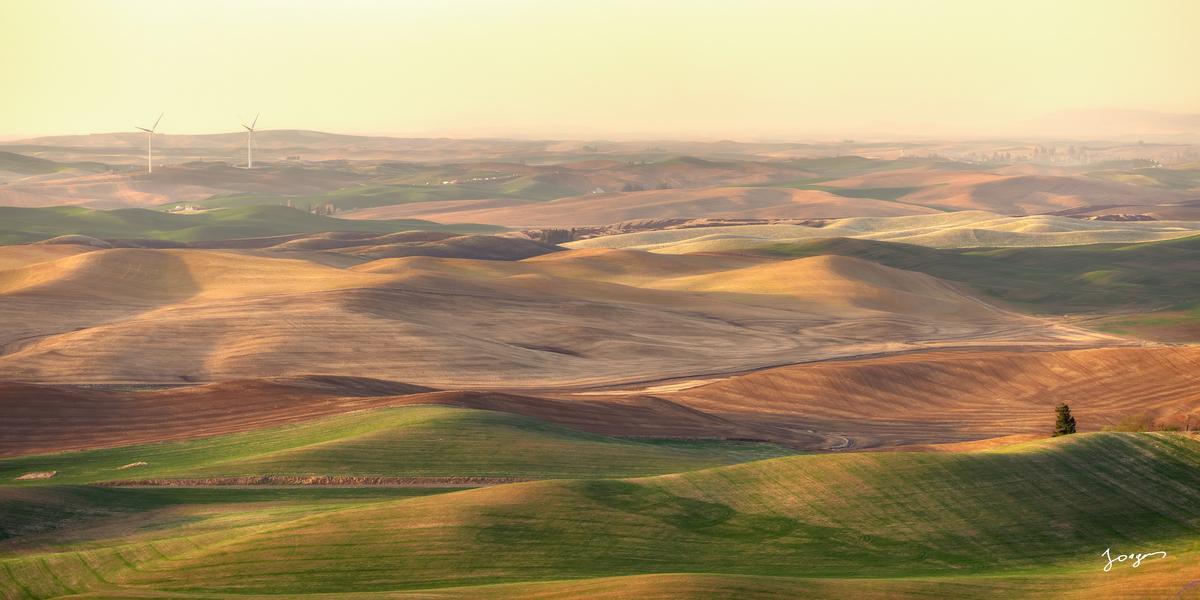
The first time I stood on the edge of the Palouse in eastern Washington at harvest, the wheat was gold from horizon to horizon and the wind was moving through it in slow waves. I had driven fourteen hours to get there. I had the Canon on a tripod. I waited four hours for the light to come right. And when it did — when the sun dropped low enough to side-light those rolling hills and the shadow and the gold happened simultaneously — I understood in a way I hadn't before what landscape photography actually is.
It isn't a record of a place. It's a record of a moment in a place that will never happen exactly that way again.
That's the definition nobody puts in textbooks. But it's the right one.
What Is Landscape Photography — The Simple Definition
At its most basic, landscape photography is the practice of capturing outdoor environments as visual art — using light, composition, and timing to transform a physical location into an image that conveys something about the experience of being there.
The word itself comes from the Dutch lantscap, which originally referred to paintings of natural scenery. Painters used it before photographers existed — and that lineage matters, because it tells you something important: landscape has always been understood as an art form, not just a documentation technique.
The formal definition has expanded considerably from its origins. What began as photographs of wilderness and unspoiled nature — the tradition of Ansel Adams photographing Yosemite without a human figure in sight — now legitimately encompasses urban landscapes, coastal photography, abstract interpretations of natural forms, aerial perspectives, and the intersection of human-built environments with the natural world. When Eddie Jongas photographs the Las Vegas skyline at night from above the Rio Hotel, that is landscape photography. When he photographs Morro Rock at dawn from the harbor with fishing boats in the foreground, that is landscape photography. When he photographs the slot canyons of Page, Arizona where a beam of light turns sandstone into something that looks like it came from another world — that too is landscape photography.
The subject is the world. The requirement is that the world be its own subject, rather than a backdrop for something else.
Is Landscape Photography a Fine Art?
This is the question the three posts we're consolidating all circled — and the answer is unambiguously yes. But it requires understanding what distinguishes fine art from documentation.
Photography in general resisted art-world acceptance for most of its history. When the French Academy of Fine Arts formally debated photography's status in the 1860s, the consensus was that the machine couldn't produce art — only craft. The artist was the human hand, not the mechanical lens. It took decades of serious photographers insisting otherwise before the argument was won.
Today no serious institution or curator questions whether photography can be fine art. The debate is settled. What matters is how any individual photograph is made — with what intentionality, what technical mastery, what vision — not what instrument captured it.
What Defines Fine Art Landscape Photography
- Artistic intent: Created as an artistic expression rather than a commercial or documentary assignment.
- Limited editions: Produced in limited editions with strict caps on reproduction.
- Authentication: Authenticated by the artist with documentation confirming its status.
- Museum standards: Printed to museum standards on archival materials.
- Collectible value: Collected and valued as an artwork rather than merely purchased as decoration.
The difference between a fine art landscape print and a poster of the same scene is not the image. It's everything that surrounds the image — the intentionality behind its creation, the quality of its production, the authentication of its originality, and the scarcity that gives it lasting value.
What Makes a Landscape Photograph Worth Collecting?
Not every landscape photograph is fine art, just as not every painting is fine art. The genre doesn't automatically confer status. What elevates a landscape photograph from a competent image to a collectible work is a specific combination of qualities that can be identified and evaluated.
The unrepeatable moment. The best landscape photographs capture light, weather, and subject in a combination that will never recur in exactly that form. The golden hour on the Palouse lasts perhaps twenty minutes. The fog sitting on the redwood canopy exists for an hour before the sun burns it off. A storm building behind a desert butte produces that exact quality of light for perhaps ten seconds. The photograph that captures that moment is capturing something genuinely unique — which is the foundation of value in any artwork.
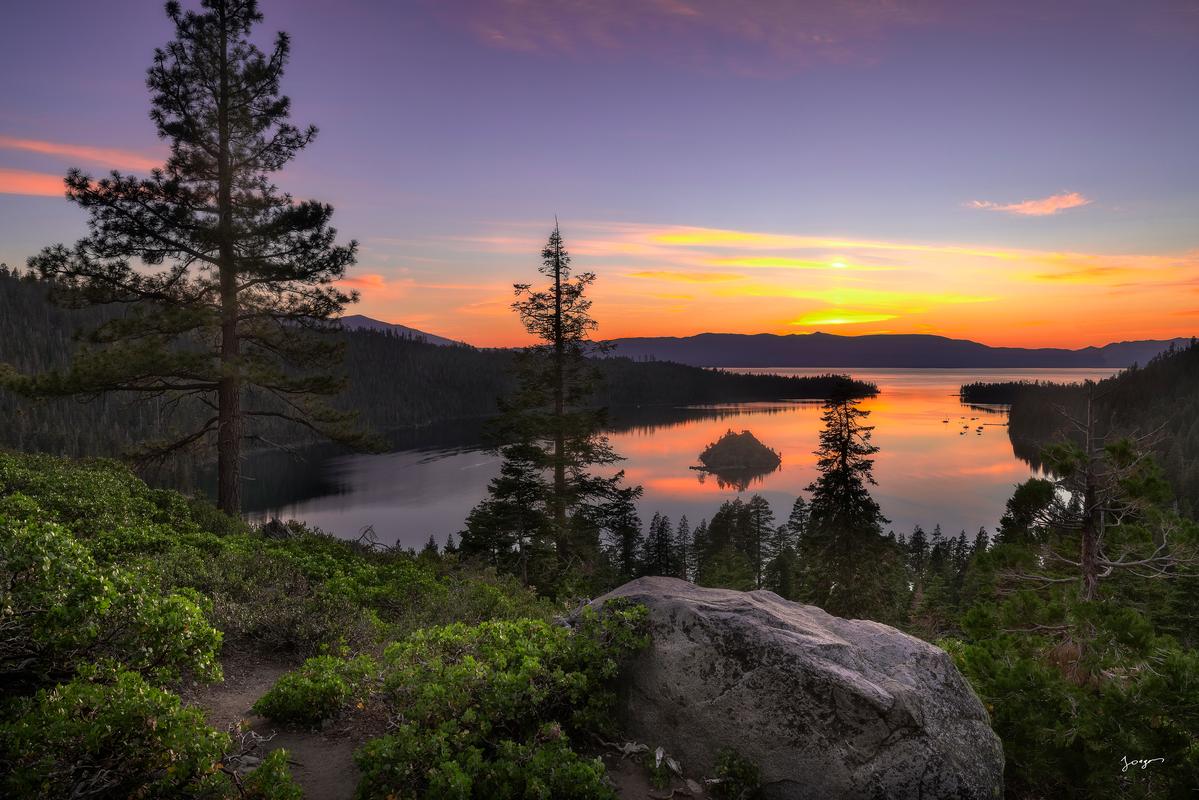
Compositional intention. A snapshot and a fine art photograph of the same location look different because the photographer made deliberate choices: where to stand, what focal length to use, where to place the horizon, what to include and what to exclude, what exposure time to choose and what that choice does to water, to clouds, to light. These decisions are the artistic content of the image — they are what separates the photographer from the recording device.
Technical mastery. A landscape that earns fine art status is one that could only have been made by someone who fully understands the tool they're using and the conditions they're working in. Ansel Adams developed the Zone System specifically to give photographers precise control over tonal range in a landscape — to ensure that the shadow in a canyon wall held detail and the snowfield in the distance didn't blow out. That kind of technical depth is what makes a fine art photograph different from a lucky snapshot of the same subject.
Production quality. The image that leaves the camera is a starting point. The fine art print — on TruLife acrylic-mounted surfaces that render color depth and luminous clarity at a level no standard print process can match — is the finished artwork. The gap between a phone screenshot of a landscape photograph and the physical TruLife print is larger than most people appreciate until they've stood in front of one.
"The photograph that captures that unrepeatable moment is capturing something genuinely unique — which is the foundation of value in any artwork."
From Painters to Famous Landscape Photographers
Landscape as a subject for art predates photography by centuries. Dutch Golden Age painters in the seventeenth century elevated landscape from background to foreground — making the land itself the subject of serious artistic attention for the first time in Western art history. John Constable in early nineteenth century England produced cloud studies and Suffolk landscapes that are recognizable to anyone who has ever watched storm light move across open farmland. J.M.W. Turner pushed landscape toward pure atmosphere, his late paintings dissolving the distinction between light and subject in ways that feel almost photographic.
When the camera arrived, landscape painters and photographers influenced each other immediately. The early pictorialist photographers of the 1880s and 1890s deliberately produced images that looked like paintings — soft focus, careful tonal gradation, romantic subjects. They were making the argument that photography was art by making it look like the art that already had that status.
Landmark Figures in Fine Art Landscape Photography
- Ansel Adams: The benchmark against which all fine art landscape photographers are measured. His Zone System and his Yosemite prints defined what the genre could be at its highest level.
- Galen Rowell: Brought adventure and altitude to the tradition — photographing in the Himalayas and Patagonia in conditions that required physical commitment as much as technical skill.
- Peter Lik: Brought panoramic landscape photography to commercial prominence — demonstrating definitively that serious collectors would pay serious prices for fine art landscape photography.
Contemporary landscape photographers and nature photographers working today operate in a tradition that is both deeply rooted and actively evolving — digital capture has expanded what's technically possible, while the standards for what constitutes genuine fine art remain as demanding as they ever were.
Landscape Photography as a Modern Art Form
The argument that landscape photography is a modern art form rests on the same logic that established painting and sculpture as art forms: it is a practice in which skilled artists use technical mastery in service of genuine vision to produce objects of lasting aesthetic and cultural value.
Modern fine art photography in the landscape tradition operates at the intersection of several disciplines simultaneously — environmental observation, technical precision, compositional artistry, and the kind of patience that borders on contemplative practice. The landscape photographer who waits four hours for a specific quality of light is doing something that has more in common with a painter studying a subject over weeks than with a documentary photographer working a news event.
The distinction between landscape photography and landscape art has largely collapsed. The finest landscape photography prints hang in the same kinds of homes and commercial spaces as paintings, collected by the same kinds of collectors, for the same fundamental reasons: they are authentic, singular, beautiful, and the product of a specific human vision applied to a specific moment in the world.
Landscape Photography Beyond Nature
Urban landscape photography — city skylines, architectural forms, the geometry of bridges and streets at night — applies the same principles as wilderness landscape work: wait for the right light, find the right vantage, compose with intention, capture the unrepeatable moment. The subject is a city rather than a canyon, but the practice is identical.
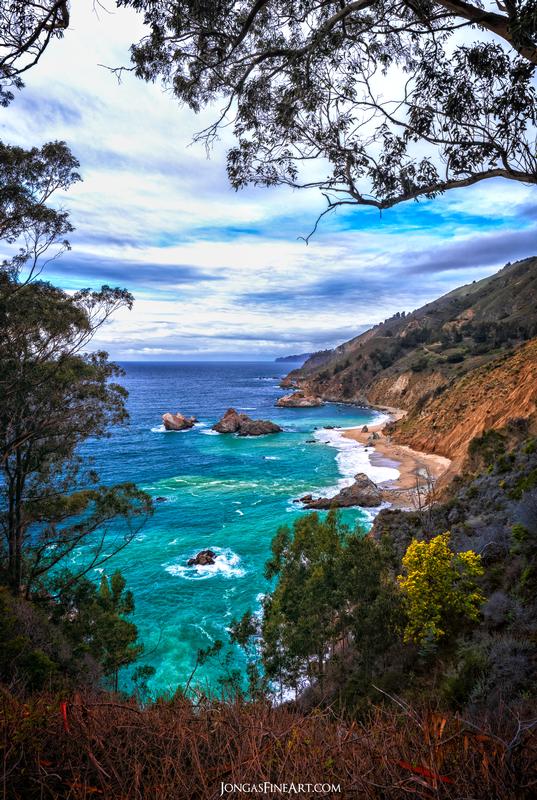
Coastal and seascape photography extends the landscape tradition into the relationship between land and water — a subject that has fascinated landscape artists since the Dutch marine painters of the seventeenth century.
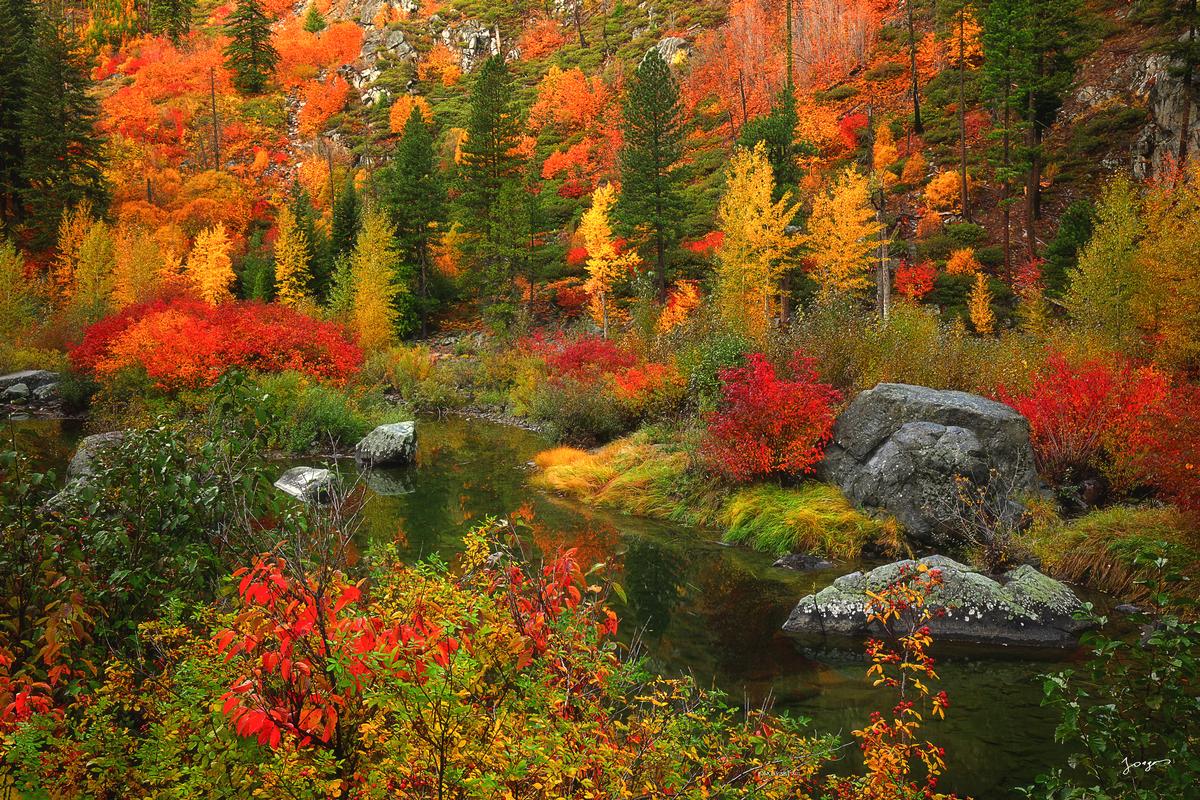
Abstract landscape photography uses the landscape as raw material for images that prioritize form, color, and texture over literal representation — slot canyon walls photographed at the right angle that become pure geometric abstraction, desert formations from above that read as minimalist painting.
The genre is as broad as the photographer's willingness to look. The requirement is not a specific type of subject — it's a specific quality of attention.
What Landscape Photography Means to This Photographer
I've spent a decade driving toward things I've never seen, standing in the cold before sunrise, waiting for weather to change, driving home with nothing because the conditions weren't right. I've been to 48 states and 15 countries carrying a camera, and the landscapes I've come home with span the Pacific Northwest forests where the light barely gets through the canopy to the California coast where the land ends dramatically and the Pacific begins.
Landscape photography for me has never been primarily about the print — although the print is the object that makes the image real and lasting and collectible. It's been about the practice of paying attention. The discipline of going to a place and being present in it long enough for something worth photographing to happen.
The goal with any landscape photography print I produce is the same one Ansel Adams articulated better than anyone: the photograph should make the viewer feel something about the place that makes them want to go there. Not to reproduce the experience — nothing can do that — but to gesture toward it. To say: the world is extraordinary. Go see it.
Landscape Photography Prints — Fine Art for Your Wall
The landscape photography prints in this gallery are available as TruLife acrylic-mounted limited editions — the same museum-grade process used in the world's finest photography galleries. Each print is signed by Eddie Jongas, numbered within a strictly capped edition, and shipped with a Certificate of Authenticity. Free shipping to all 50 states.
If you'd like to understand more about the print process before purchasing, the Print Creation page covers TruLife acrylic-mounted printing in detail. The Fine Art FAQ answers the most common questions about sizes, shipping, installation, and COA.
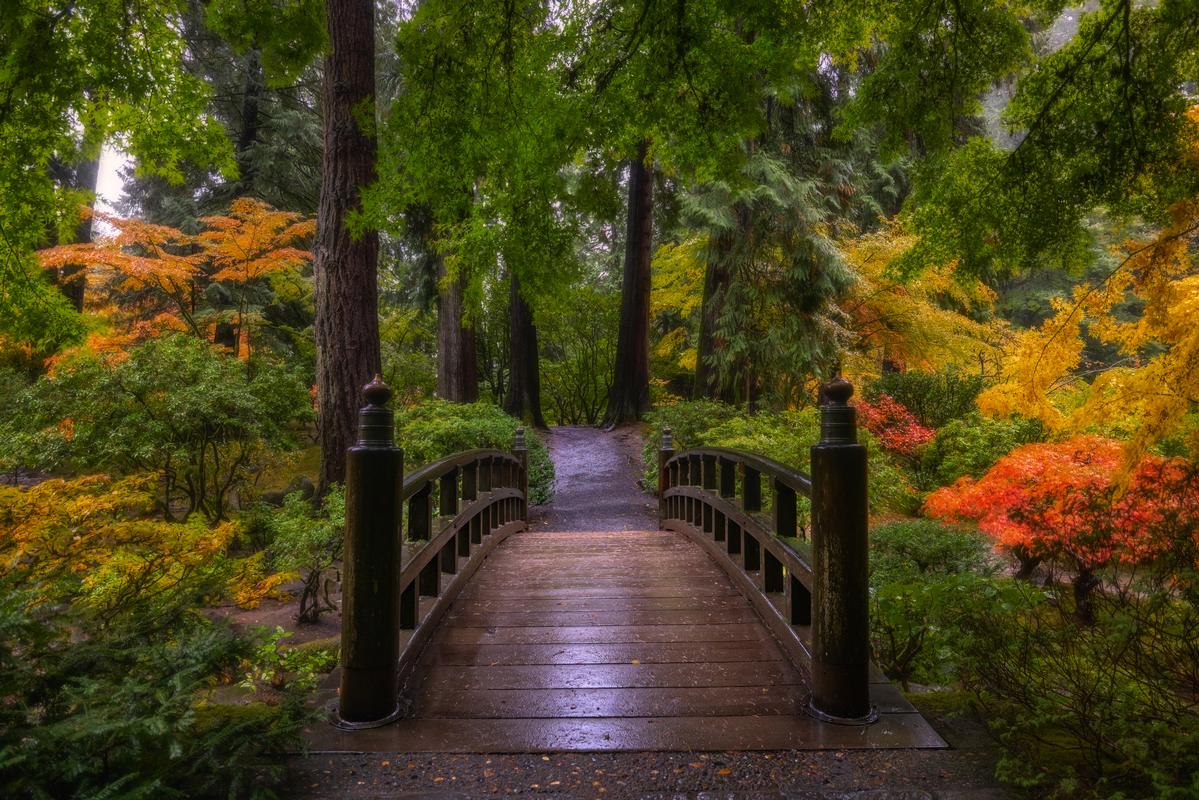
Browse Eddie Jongas's fine art landscape photography prints — TruLife acrylic-mounted limited editions, signed with COA, free US shipping. Explore Landscape Photography → View All Collections →
Eddie Jongas is a modern fine art photographer based in Las Vegas, Nevada. His TruLife acrylic-mounted limited edition landscape photography prints are available exclusively through jongasfineartphotography.com. Free shipping to all 50 states.
